GBTA Day on the Hill & NLA Collaboration!
Business travel has always been about more than getting from Point A to Point B. Every trip requires a seamless network of airlines, airports, hotels, meetings, and safe and reliable ground transportation connecting every stage of the journey. As our transportation ecosystem undergoes one of its most significant periods of change in decades, the policies governing that network are becoming increasingly important for businesses, travel managers, transportation providers, and regulators alike.
I recently had the privilege of delivering the keynote address at the Global Business Travel Association (GBTA) Legislative Summit in Washington, D.C. As the world’s premier organization representing the business travel industry, GBTA brings together corporate travel managers, Fortune 500 travel buyers, policymakers, suppliers, and government affairs professionals to discuss the legislative and regulatory issues shaping business travel.
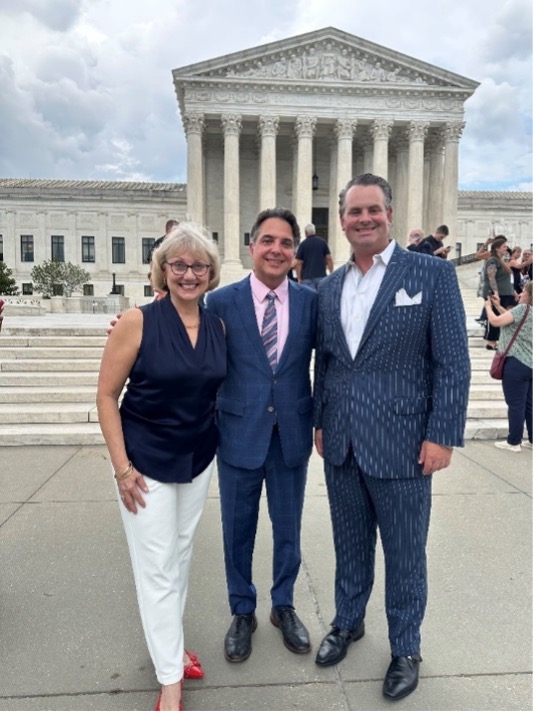
From Left: Suzanne Neufang, CEO of GBTA; Matt Daus, Founder and Chair of the Windels Marx Transportation Practice Group; and Matt Assolin, co-chair of the NLA Legislative Committee on the steps of the U.S. Supreme Court.
A centerpiece of the Summit was GBTA’s annual “Day on the Hill,” where more than 120 members from 31 states met directly with Members of Congress and their staffs to advocate for policies supporting an industry that generates an estimated $624 billion in annual economic activity, contributes 2.1% of U.S. GDP, supports 6.7 million American jobs, and produces nearly $149 billion in tax revenue. Armed with findings from GBTA’s latest U.S. Economic Impact Study: Business Travel’s Impact on Jobs and the U.S. Economy, attendees emphasized the critical role business travel plays in connecting communities, driving investment, and strengthening the national economy.
The Summit also featured an outstanding lineup of industry leaders and policy experts whose work continues to strengthen business travel advocacy in Washington. Thanks to Suzanne Neufang, CEO of GBTA for her exceptional leadership, and to Shane Downey, GBTA’s Vice President of Government and Community Relations and Joe Barton, Principal at Cornerstone Government Affairs (lobbyist for both GBTA and the National Limousine Association), for organizing a successful Legislative Summit and fostering meaningful dialogue between the business travel industry and policymakers.
Also, I was pleased to see leadership from the ground transportation industry present and participating in the GBTA’s Day on the Hill – especially Matt Assolin, Co-Chair of the National Limousine Association’s (NLA’s) Legislative Committee, and Merlynda Bissoon, Vice President of Business Development at Key Transportation Service Corp. and President-Elect of the Board of Directors of the GBTA South Florida Chapter. Under the leadership of NLA President Brett Barenholtz, there is now extensive support and coordination with GBTA on legislative and policy issues, which benefits both groups in a wide-variety of ways – including aligned messages, additional resources, and strength in numbers for our common cause of safe and affordable business travel.
Legislative discussions covered a broad range of issues affecting business travel, from aviation policy and border security to traveler experience and infrastructure modernization. As a keynote speaker, I was pleased to complement those discussions by focusing on an equally important component of every business trip: ground transportation. Every business traveler depends on safe, reliable, and affordable transportation to and from airports, hotels, meetings, and events. As I emphasized throughout my presentation, ensuring the resilience of the business travel ecosystem requires giving ground transportation the same strategic attention as air travel, particularly as new technologies and mobility models reshape the industry.
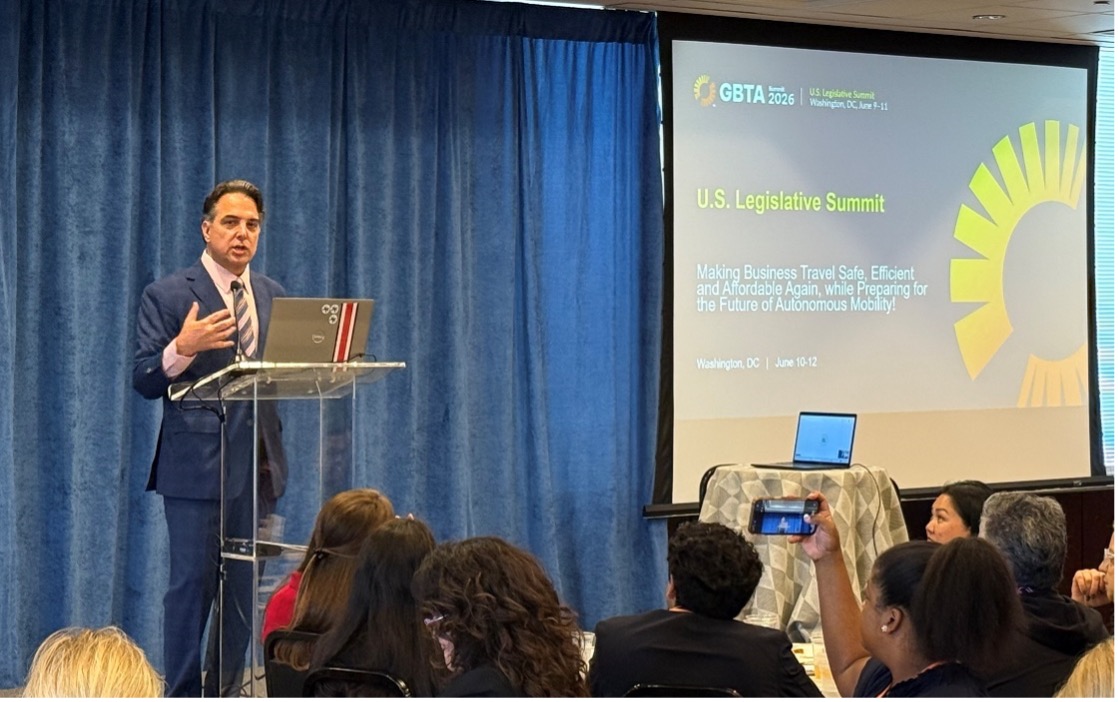
My keynote, “Making Business Travel Safe, Efficient and Affordable Again, while Preparing for the Future of Autonomous Mobility!,” examined many challenges the ground transportation industry currently faces, from skyrocketing commercial insurance costs and illegal transportation operators to airport modernization and autonomous mobility. I focused on practical solutions that regulators, policymakers, and industry stakeholders can pursue together to ensure business travelers continue to have access to transportation that is safe, reliable, efficient, and affordable.
A Growing Partnership on Transportation Policy
One of the most encouraging takeaways from this year’s Legislative Summit was the growing alignment between the GBTA and the NLA on many of the public policy issues affecting business travelers. While GBTA’s advocacy has traditionally centered on aviation, border security, and the overall traveler experience, the Summit highlighted the increasing recognition that safe, efficient, and affordable ground transportation is essential to business travel. GBTA’s legislative priorities this year focused on preserving the efficiency and resilience of the nation’s travel infrastructure. During Capitol Hill meetings, members advocated for continued support of Transportation Security Administration (TSA) and Federal Aviation Administration (FAA) personnel, modernization of the nation’s aging air traffic control system, restoration of incentives to accelerate Sustainable Aviation Fuel (SAF) production, improvements to border entry and visa processing for international business travelers, and legislation to preserve the passenger experience through a consistent federal policy prohibiting in-flight voice calls.
NLA’s federal priorities complement those efforts by addressing many of the challenges business travelers encounter once they leave the airport. The association’s top priority is tackling the commercial transportation insurance affordability crisis through federal action, including support for the Staged Accident Fraud Prevention Act of 2025, which would make staging crashes involving commercial motor vehicles a federal crime and strengthen efforts to combat fraud-driven insurance costs. NLA also supports expanding Sami’s Law by authorizing the U.S. Department of Transportation to develop enforceable passenger safety standards for for-hire transportation providers, helping establish a more consistent national framework for safety oversight. Beyond safety, the association is advocating for clear federal implementation of the “No Tax on Tips” provisions benefiting professional chauffeurs and enhanced Section 179 tax deductions that enable small transportation companies to invest in newer, safer, and more efficient vehicle fleets.
While these priorities focus on different segments of the travel experience, they share a common objective: ensuring that business travelers can move safely, efficiently, and confidently throughout every stage of their journey. The issues I discussed during my keynote, including duty of care, insurance affordability, enforcement against illegal operators, airport modernization, and autonomous mobility, demonstrate that the future of business travel depends on modernizing our aviation system, as well as strengthening the ground transportation network. Continued collaboration between organizations like GBTA and NLA is essential to advancing practical, bipartisan policies supporting travelers and providers.
The Duty of Care Has Never Been More Important
I began my presentation by discussing the duty of care and highlighting a 2016 report I authored with the Institute of Travel Management (ITM) on this topic. ITM is the leading professional body for corporate travel management in the UK and Ireland. It is a non-profit, membership-led organization, founded in 1956. The report examines the legal and operational responsibilities organizations assume when selecting transportation providers for employees traveling on business. Corporate duty of care extends well beyond confirming that a transportation provider is licensed or available through a popular booking platform. Employers have an obligation to exercise reasonable care in selecting vendors that will safely transport their employees, executives, and clients. As mobility options continue to expand, including transportation network companies, chauffeur services, shared mobility providers, microtransit, autonomous vehicles, and eventually advanced air mobility, travel managers must evaluate an increasingly complex marketplace.
Like the recommendations in the ITM report, I encouraged all travel managers to adopt a comprehensive due diligence process when selecting transportation providers. That includes verifying adequate insurance coverage, reviewing driver qualification and screening procedures, understanding vehicle inspection and maintenance programs, evaluating cybersecurity and data privacy protections, examining incident response protocols, and ensuring that contractual provisions appropriately allocate responsibility between the transportation provider and the client. Duty of care should also continue in the form of regular audits, performance monitoring, and ongoing compliance reviews. These issues also carry significant legal implications. Organizations that fail to properly vet transportation vendors may expose themselves to allegations of negligent hiring, negligent retention, or negligent supervision if an incident occurs. Those risks become even more significant when transporting executives, government officials, high-profile clients, or employees traveling internationally who may be unfamiliar with local transportation options.
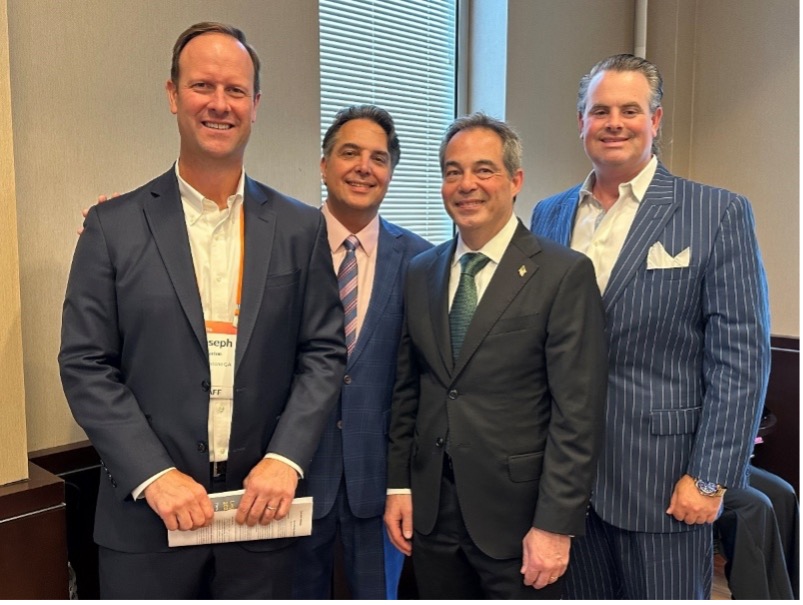
From Left: Joe Barton, Principal at Cornerstone Government Affairs; Matt Daus, Founder and Chair of the Windels Marx Transportation Practice Group; Shane Downey, Vice President of Government and Community Relations at GBTA; and Matt Assolin, co-chair of the NLA Legislative Committee.
Technological innovation does not reduce these responsibilities. Emerging mobility technologies present tremendous opportunities to improve efficiency, sustainability, and accessibility, but they also introduce new operational models, evolving regulatory frameworks, and questions regarding insurance, cybersecurity, liability, and oversight. Companies embracing these technologies should maintain, if not strengthen, due diligence standards.
Turning Research into Meaningful Insurance Reform
I then turned to the commercial automobile insurance affordability crisis. For several years, I have examined this issue with the University Transportation Research Center (UTRC) at The City College of the City University of New York (www.utrc2.org) and I explained the findings of the report we collaborated on with the NLA. This report, entitled Curbing the Limousine Insurance Crisis: For-Hire Vehicle Insurance Reform, contains several federal and state tort reform recommendations which are relevant to the NLA legislative agenda, and some ideas that I believe the GBTA can and should support as we work together to make business travel safer and more affordable.
Commercial insurance premiums have reached unprecedented levels for many operators. Independent drivers frequently pay several thousand dollars annually to remain on the road, while fleet operators face insurance costs exceeding the price of vehicle financing. These escalating costs ultimately reduce driver earnings, discourage investment in newer and cleaner vehicles, limit competition, increase fares for consumers, and threaten the long-term sustainability of licensed transportation services that business travelers rely on.
The reports identify several interconnected factors contributing to the commercial auto insurance crisis at the state and national levels. New York’s expansive no-faultpersonalinjuryprotectionrequirements, increasing litigation costs, staged accidents, insurance fraud, nuclear verdicts, and a shrinking commercial insurance marketplace have combined to create an environment where insurers continue raising premiums while fewer companies remain willing to write commercial policies. At the same time, licensed operators continue facing significant regulatory compliance costs that illegal operators simply ignore. Beyond New York, the NLA report found that many of these same pressures are compounded by inconsistent insurance requirements across jurisdictions, excessive client-mandated liability coverage, limited underwriting capacity, and a lack of incentives for fleets that invest in safety. Among its federal recommendations are expanding access to alternative insurance markets, encouraging broader adoption of telematics and camera technologies, supporting industry-specific workers’ compensation models, and pursuing legal and regulatory reforms that better align insurance costs with actual operational risk while preserving strong consumer protections.
Among the short-term recommendations are reducing excessive personal injury protection (PIP) requirements, expanding access to excess and surplus lines insurance, encouraging broader use of telematics and onboard cameras, creating safe-driver incentive programs, and expanding rental and leasing flexibility for licensed drivers. Longer-term recommendations include comprehensive tort reform, modernization of New York’s no-fault insurance system, development of captive insurance models for qualified fleets, attracting additional insurers back into the commercial marketplace, modernizing insurance rate approval processes, strengthening anti-fraud initiatives, and aligning insurance pricing more closely with demonstrated safety performance.
One of the earliest recommendations focused on New York City’s additional PIP requirement for vehicles licensed by the NYC Taxi & Limousine Commission (TLC). While New York State requires $50,000 in no-fault PIP coverage, the TLC historically required an additional $150,000 in coverage, resulting in a total PIP requirement of $200,000. In 2025, New York City enacted legislation (Intro. 1050) reducing the TLC’s PIP requirement to 200% of the state minimum, or $100,000. The legislation, which took effect on July 1, 2025, represented one of the first major policy recommendations from the UTRC report to become law.
Momentum continued this year with several important insurance reforms included in New York State’s Fiscal Year 2027 Budget. The legislation strengthens efforts to combat staged automobile crash rings by increasing legal liability for participants; provides insurers with additional time to investigate suspicious claims before making payments; and requires insurance companies to provide written explanations whenever premiums increase by more than ten percent. It also prohibits insurers from considering factors such as education level, homeownership status, and ZIP code when establishing automobile insurance rates, while limiting future premium increases without additional regulatory review. Equally significant were broader civil justice reforms included in the budget. Changes to comparative negligence standards, revisions to certain serious-injury thresholds, and limitations on certain pain-and-suffering awards seek to discourage abusive litigation practices while preserving the rights of legitimately injured individuals. I also discussed Florida’s 2023 tort reform legislation, which reshaped several aspects of civil litigation by adopting modified comparative negligence standards, curtailing certain bad-faith insurance claims, and eliminating one-way attorney fee provisions that had contributed to escalating litigation costs. Following the legislation’s enactment, dozens of automobile insurers filed for premium reductions, while independent analyses projected billions of dollars in broader economic benefits and substantial improvements in market competition.
I was also pleased to discuss UTRC’s newest research initiative in partnership with the American Bus Association Foundation. The forthcoming National Insurance Study for the U.S. Bus & Motorcoach Industry will apply many of the same research methodologies that proved successful in our taxi and limousine studies to another sector experiencing severe insurance pressures. The study will examine the commercial auto insurance environment facing motorcoach operators nationwide, including underwriting capacity, litigation exposure, catastrophic loss trends, broker financial responsibility requirements, and potential changes to federal minimum insurance requirements. It will also identify best practices that operators can implement to improve safety and strengthen their risk profiles while providing policymakers with data-driven recommendations for meaningful reform.
Strengthening Enforcement to Protect Travelers and Legitimate Operators
Of note to the business travel community, I also addressed illegal and unlicensed operators. Another report I authored with the University Transportation Research Center, Addressing Unlicensed & Illegal Ride Hailing in the NY/NJ Metro Region, examines how illegal for-hire transportation has evolved from relatively isolated instances of street solicitation into increasingly sophisticated operations that often mimic legitimate transportation businesses. Today’s scams often involve polished websites, social media advertising, online marketplaces, coordinated dispatch operations, and off-platform customer relationships that can make illegal providers appear indistinguishable from licensed companies. These operators may evade licensing requirements, commercial insurance mandates, vehicle inspections, criminal background checks, and tax obligations while undercutting legitimate operators who invest in regulatory compliance. For unsuspecting business travelers, the risks can be significant. Passengers may unknowingly enter vehicles without adequate insurance coverage, professionally vetted drivers, or meaningful consumer protections should something go wrong.
The report recommends a comprehensive enforcement strategy, including stronger interagency coordination among transportation regulators, law enforcement, airports, and prosecutors; expanded use of technology to identify repeat offenders; improved public education campaigns; stronger penalties for chronic violators; enhanced reporting systems; and legislative reforms that better reflect the increasingly organized nature of illegal transportation networks. These recommendations are also beginning to move into practice.
The Port Authority of New York & New Jersey recently launched Operation Legal Ride, an initiative designed to combat illegal airport solicitation ahead of the 2026 FIFA World Cup and other major international events. Supported by a $100 million investment, the initiative combines expanded police deployments with advanced technology, including cameras, license plate readers, and artificial intelligence, to identify illegal operators and intervene before passengers are victimized. I also highlighted pending New Jersey legislation, Assembly Bill A1552, which would substantially strengthen penalties for repeat offenders who repeatedly evade licensing, insurance, and inspection requirements. The legislation proposes fines of up to $7,500, six-month license suspensions, and vehicle impoundment for repeat violators.
Our work in this area is continuing as well. Building upon previous findings, the UTRC is currently preparing a nationwide enforcement study for the National Limousine Association examining illegal and unlicensed operations across the United States. Our goal is to provide regulators and policymakers with practical recommendations to strengthen enforcement while protecting legitimate transportation providers and the traveling public.
Rethinking the Airport Experience
In my comments at GBTA, I then moved to discussing the airport of the future. From the traveler’s perspective, the airport experience begins before reaching the terminal and continues after leaving baggage claim. Ground transportation is an essential component of overall airport performance. Today’s airports face challenges involving curb congestion, competition for limited passenger pick-up and drop-off space, declining parking revenues, increasing rideshare activity, sustainability goals, accessibility requirements, and ever-growing passenger expectations.
I outlined several strategies explored in my report with the UTRC, titled The Airport of the Future: A Sustainable & Equitable Ground Transportation Management Paradigm. These include developing centralized Ground Transportation Centers that function as mode-neutral mobility hubs capable of accommodating taxis, limousines, transportation network companies, buses, shuttles, rental vehicles, and future autonomous services within a single integrated facility. Such facilities provide flexibility as transportation technologies continue evolving while improving passenger wayfinding and operational efficiency. Other recommendations include implementing equitable curb management policies, expanding re-matching technology that allows drivers to receive new trip assignments immediately after completing airport drop-offs, creating premium curb access programs for travelers seeking greater convenience, establishing “Kiss and Fly” facilities connected by shuttle service to reduce private vehicle congestion, and ensuring that accessibility remains central to every operational decision.
Preparing for the Future – Autonomous Mobility & Beyond!
I also encouraged attendees to begin preparing for what comes next. Autonomous vehicle deployment continues expanding across the United States. Companies including Waymo, Zoox, May Mobility, Uber, Lyft, Tesla, and others continue investing heavily in autonomous transportation, with commercial services now operating in several metropolitan areas and additional market launches planned over the next several years. While widespread deployment will occur gradually and regulatory frameworks continue to evolve, autonomous mobility is steadily transitioning from pilot projects to planning, consumer protection, and data privacy.
I also discussed the progress occurring in Advanced Air Mobility (AAM). Companies such as Joby Aviation, Archer Aviation, Wisk Aero, Beta Technologies, and Electra continue advancing certification efforts while building partnerships with airports, infrastructure providers, and public agencies across the country. Florida, New York, Texas, and California have emerged as national leaders in planning for commercial electric vertical takeoff and landing (eVTOL) operations, and New York City continues preparing heliports and supporting infrastructure that will make it one of the first major markets for commercial operations.
These developments reinforce an important point for the business travel industry. Premium travelers will continue to expect safety, reliability, professionalism, and personalized service, regardless of whether their trip involves a traditional chauffeured sedan, an autonomous vehicle, or an air taxi. Technology may change the vehicle, but it does not eliminate the importance of customer service, operational excellence, or duty of care. I believe the chauffeured transportation industry has an opportunity to adapt and evolve alongside these technologies. Operators that embrace innovation, maintain high service standards, invest in technology, and remain engaged in the policymaking process will be best positioned to succeed as the transportation marketplace continues changing.
Looking Ahead – The Business Traveler of the Future
Every business trip begins and ends with ground transportation. That reality presents an important opportunity for organizations like GBTA. While aviation policy will always remain a central component of business travel advocacy, many of the issues that most directly affect travelers – insurance affordability, airport access, enforcement against illegal operators, regulatory modernization, autonomous mobility, and advanced air mobility – receive comparatively less attention despite their growing importance. I encouraged GBTA and its audience to broaden engagement on these issues by further strengthening collaboration with organizations, including the NLA, the American Bus Association, the IATR, and other stakeholders working to improve safety, affordability, and innovation across the ground transportation sector.
Business travel is entering a transformative period. New technologies, evolving traveler expectations, changing legal frameworks, and increasingly complex mobility ecosystems will continue reshaping how people move for years to come. Meeting those challenges will require thoughtful regulation, evidence-based policymaking, effective enforcement, and continued collaboration among industry leaders, researchers, regulators, and policymakers. commercial reality. As these technologies mature, policymakers must ensure that innovation proceeds alongside appropriate safeguards. That is why the International Association of Transportation Regulators (IATR) developed its Best Practices, Guiding Principles & Model Regulations for “Robotaxis”, which provide a framework addressing safety, insurance, liability, accessibility, sustainability, workforce impacts, governance, transportation
Professor Matthew W. Daus, Esq. is President, International Association of Transportation Regulators (http://iatr.global/); Transporta-tion Technology Chair, City University of New York, Transportation Research Center at The City College of New York (http://www.utrc2. org/); and Partner and Chairman, Windels Marx Transportation Practice Group (http:// windelsmarx.com). He can be reached at mdaus@windelsmarx.com or 212.237.1106.