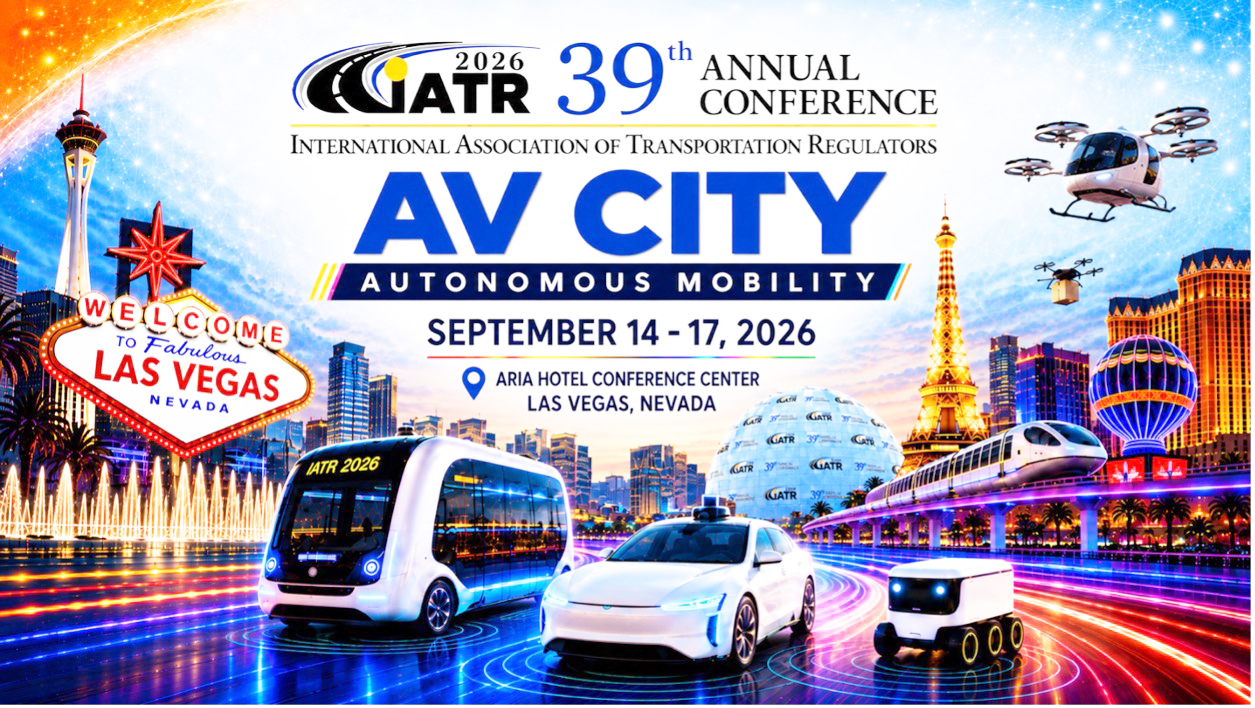
The International Association of Transportation Regulators (IATR) brought regulators, industry leaders, researchers and advocates together in Las Vegas, Nevada, September 14–17, 2026, for its 39th Annual Conference. Under the theme “AV City: Autonomous Mobility,” the gathering examined how autonomous vehicles and other emerging technologies are reshaping transportation, and what regulators must do to protect the public while enabling responsible innovation.
The program combined key notea ddresses, a three-part regulatory bootcamp, seven plenary sessions and a fireside chat with Uber. Discussions connected autonomous deployment with accessibility, workforce development, insurance, road safety, delivery robots and multimodal integration. Across these subjects, participants returned to a common priority: transportation innovation must deliver practical benefits for passengers and communities, supported by clear rules, accountable operators and effective collaboration.
Leadership and Keynote Perspectives
IATR President Matthew W. Daus welcomed attendees alongside Las Vegas Mayor Shelley Berkley, Las Vegas Convention and Visitors Authority CEO Steve Hill and Nevada Transportation Authority Chairman Vaughn Hartung. Their remarks positioned Las Vegas as a setting where transportation policy and emerging technology meet, highlighting autonomous mobility, transit improvements and the importance of cooperation between government and industry.
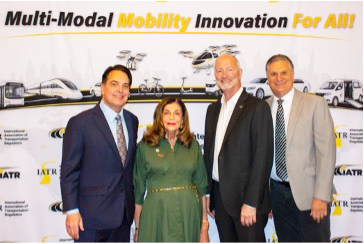
From left: Matthew W. Daus, IATR President, Hon. Shelley Berkley, Mayor, Las Vegas, Steve Hill, CEO, the Las Vegas Convention and Visitors Authority, and Vaughn Hartung, Chairman, the Nevada Transportation Authority
Former New York State Depart-ment of Motor Vehi-cles Commissioner Mark Schroeder dis-cussed agency mod-ernization and road safety, advocating a measured approach to autonomous ve-hicles that priori-tizes public safety and accessibility. His message emphasized that technological change requires pa-tient implementation, updated public insti-tutions and collaboration.
Hon. Mark Schroeder, former Commissioner, New York State Department of Motor Vehicles.
Jeff Farrah, CEO of the Autonomous Vehicle Industry Association (AVIA), outlined federal and state legislative developments. He supported clearly defined responsibilities, with federal oversight of vehicle standards and state oversight of drivers and operations. He also described the indus-try’s interest in predictable regulation to strengthen public trust. Together, the key-note perspectives framed the conference’s central question: how can regulation keep pace with innovation without losing sight of its public-service mission?
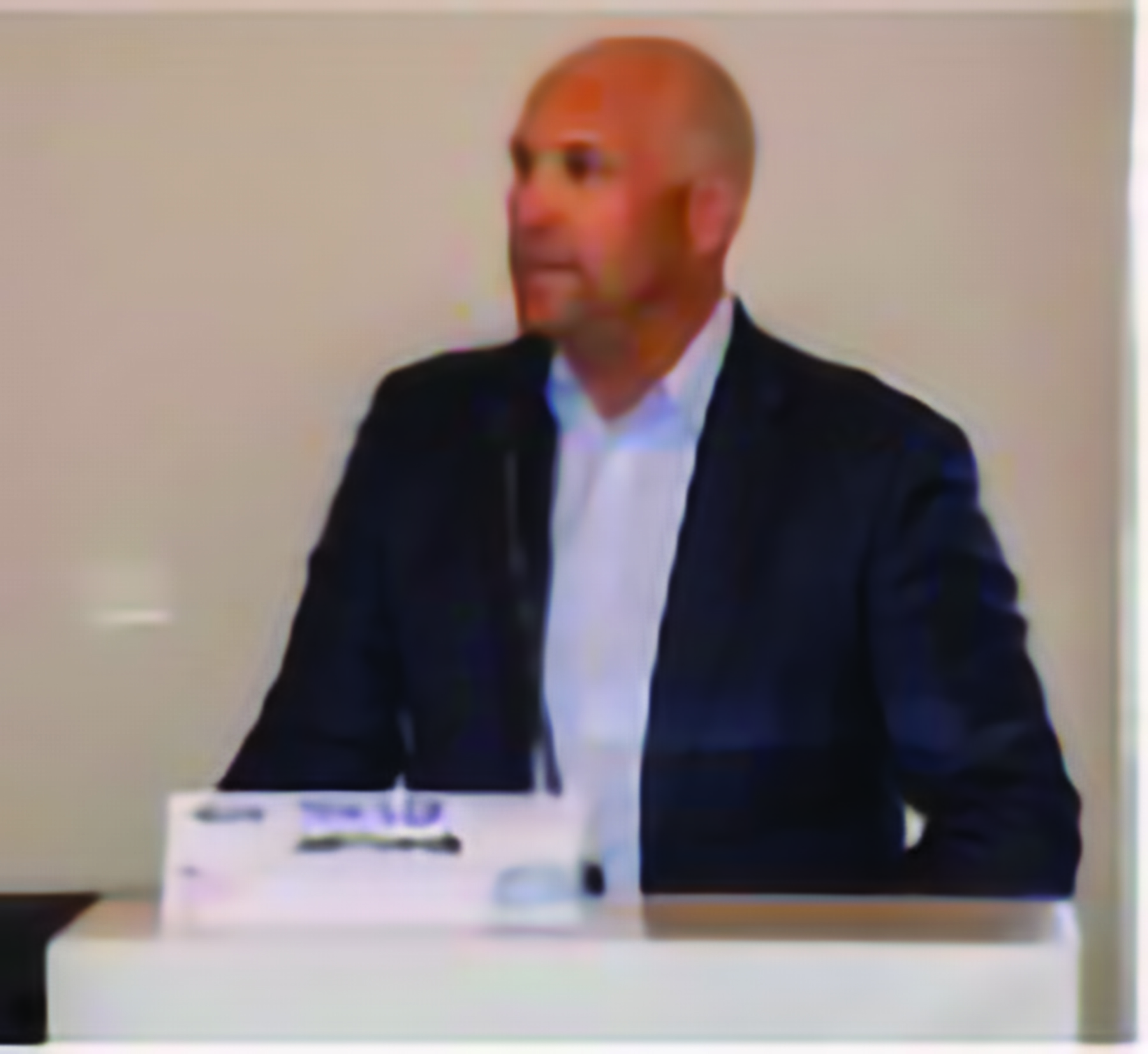
Jeff Farrah, CEO, Autonomous Vehicle Industry Association (AVIA).
Bootcamp: Preparing for Autonomous Mobility
The 9th annual bootcamp gave attendees a shared foundation for understanding autonomous vehicle technology, policy and operational challenges. Coordinated by Daus, the opening discussion explored testing and deployment laws, regulatory responsibilities, business models and IATR’s robotaxi principles. Academic and policy specialists emphasized safety, transparency, insurance, accessibility and integration with broader transportation systems.
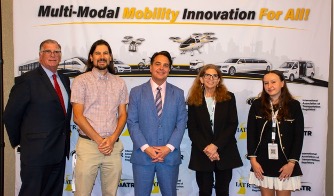
From left: Robert Muhs, Esq., former VP, Government Affairs, Avis Budget Group, Brendan Morris, PhD., Associate Professor, University of Nevada, Las Vegas, Matthew W. Daus, IATR President, Sarah L. Catz, Esq., Researcher, University of California, Irvine, and Grace Truslow, Policy Analyst, Eno Center for Transportation.
A Nevada-focused session translated those principles into operational questions. Hartung and fellow panelists examined the transition from testing to passenger service, first-responder interaction, emergency planning and data-enabled oversight. Discussion highlighted the need for concise rescue information, hands-on training, reliable operator support and consistent communication among companies, regulators and emergency personnel. Digital tools such as the Mobility Data Specification were discussed as ways to communicate temporary restrictions and operating requirements.
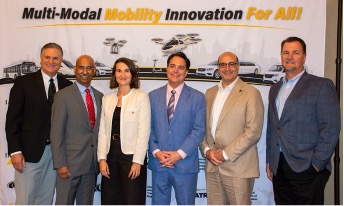
From left: Vaughn Hartung, Chairman, Nevada Transportation Authority (NTA), Shashi Nambisan, Ph.D., Director, Transportation Research Center, University of Nevada, Las Vegas, Alia Verloes, Global Head of Growth, Blue Systems & Open Mobility Foundation, Matthew W. Daus, IATR President, John Orlando, former Fire Marshal, Fire Department of New York (FDNY), and Curtis Mell, Deputy Administrator, Nevada Taxicab Authority.
The final session addressed labor displacement and the future of small transportation businesses. Moderated by Ed Watt, it brought driver, labor and business perspectives into the autonomous mobility debate. Michele Dottin of the Independent Drivers Guild and Avik Kabessa of the Livery Roundtable and Carmel raised concerns about driver livelihoods, market concentration and the assistance human drivers provide. Participants also considered how automation’s safety benefits might be incorporated into vehicles that retain a driver. Camille Kamga of CUNY’s University Transportation Research Center described an autonomous vehicle maintenance training program at Bronx Community College. The discussion recognized opportunities for new technical roles while cautioning that workforce training alone cannot resolve displacement. Early labor engagement, industry partnerships and attention to affected communities remain essential parts of the transition.
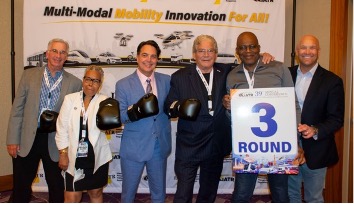
From left: Ed Watt, former Director, Amalgamated Transit Union (ATU) & Transit Workers Union (TWU) – Moderator & Workshop Coordinator, Michele Dottin, Organizer, Independent Drivers’ Guild (IDG), Matthew W. Daus, IATR President, Avik Kabessa, President, Livery Roundtable, and CEO, Carmel, Camille Kamga, Ph.D., Executive Director, UTRC Region 2, The City College of New York, at the City University of NY, and Jeff Farrah, CEO,
Plenary Session 1: Automated Vehicle Policy, Regulatory & Business Developments
The opening plenary brought together Waymo, Zoox, Motional and Via, with AVIA’s Farrah moderating a discussion of autonomous vehicle policy, regulation and business development. Las Vegas provided a case study in the relationship between regulatory clarity, commercial investment and operational readiness. Industry representatives described deployment strategies, first-responder engagement, passenger communication and partnerships with public transportation. Waymo discussed its safety research and service expansion; Zoox highlighted its purpose-built vehicles and local investment; and Motional emphasized the value of a step-by-step pathway from testing to commercial operations. Via focused on integrating autonomous services with transit rather than treating them as a replacement.
Despite different business models, panelists identified common requirements: clear rules, early community engagement, trained operational teams and continued attention to accessibility. The discussion also acknowledged that costs and service limitations remain important barriers. Questions from attendees reinforced the need to define how autonomous transportation will serve passengers with disabilities, informing IATR’s planned update of its accessible transportation model regulations.
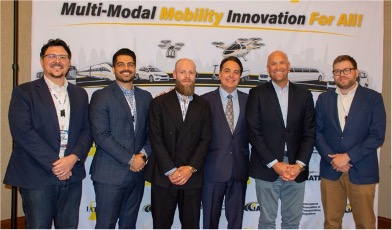
From left: Paul Escobar, Lead for State Policy and Regulatory Affairs, Zoox, Adam Lane, Public Policy Manager, State & Local, Waymo; Sam Wempe, Director of Government Relations, Motional; Matthew W. Daus, IATR President, and Jeff Farrah, CEO, Autonomous Vehicle Industry Association (AVIA), and Daniel Berkovits, Senior Vice President of Strategy, Via.
Plenary Session 2: Delivery Bots Are Here! Developing a Safe, Affordable & Sustainable Regulatory Framework for Personal Delivery Devices
A plenary on personal delivery devices examined how sidewalk robots can support local commerce while operating safely around pedestrians and other street users. Moderated by Los Angeles Department of Transportation’s Jarvis Murray, the discussion included Coco Robotics, Serve Robotics, DoorDash and Hoboken Transportation and Parking Director Ryan Sharp.
Panelists described a delivery network in which human couriers, bicycles, robots and drones serve different needs. Regulatory priorities included walking-speed operations, clear access for people with disabilities, designated staging areas and coordination around busy pickup locations. Operators also discussed how information collected during deliveries could help cities identify sidewalk obstructions, maintenance needs and recurring safety problems.
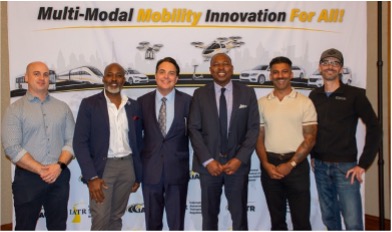
From left: Ryan Sharp, Director of Transportation and Parking, City of Hoboken, New Jersey, Henry Greenidge, Senior Policy Advisor & Counsel, Autonomy & Robotics, DoorDash, Matthew W. Daus, IATR President, Jarvis Murray, Commercial Rideshare and Mobility Administrator, LA DOT, Vignesh Ram, Vice President of Public Policy, Serve Robotics, Carl Hansen, Vice President, and Head of Government Relations, Coco Robotics.
Hoboken’s experience illustrated agradual approach built around local ordinances, operator agreements, data sharing and enforceable operating boundaries. Speakers called for more consistent guidance while recognizing that neighborhood conditions differ. Daus announced that IATR and the University Transportation Research Center are developing a report intended to inform model regulations for delivery devices. The session emphasized solving transportation and business problems rather than deploying technology for its own sake.
Fireside Chat – Richard Willder, Uber
In a fireside chat with Daus, Uber’s Global Head of Au-tonomous Policy, Richard Willder, described the com-pany’s shift from developing autono-mous technology to connecting riders with autonomous developers and fleet operators through its platform. His outlook centered on a hybrid network combining autono-mous vehicles and human-driven services. Willder acknowl-edged that deployment raises questions be-yond vehicle performance, including driver earnings, equity, congestion and local con-trol. He said human drivers would remain important for peak demand, travel beyond autonomous operating areas and trips re-quiring assistance that automation cannot yet provide.
The discussion emphasized early, transparent engagement among regulators, companies, workers and communities. Willder expressed support for IATR’s robotaxi principles, including their focus on safety, workforce impacts, equity and phased deployment. Daus noted that the association plans to build on those principles through more detailed model regulations.
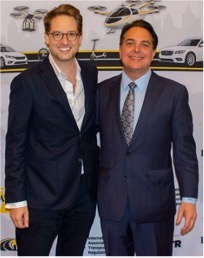
From left: Richard Willder, Global Head of Autonomous Policy, Uber and Matthew W. Daus, IATR President.
Plenary Session 3: Regulator “Star Trek” Round 1 – TOS: “The Original Series”
The first round of “Regulator Star Trek” plenary brought together officials from California, Calgary, Houston, Portland and the Coachella Valley, moderated by former New York City Deputy Mayor Jeff Roth. The exchange demonstrated that autonomous mobility is developing alongside continuing responsibilities for taxis, ride-hailing, accessible transportation and consumer protection. California’s presentation explained the separate roles of the DMV and California Public Utilities Commission (CPUC), including passenger safety plans, reporting and enforcement. Houston illustrated how cities can address parking, loading and neighborhood concerns even where state law limits local authority over autonomous operations. Portland discussed proposed requirements for testing, emergency planning, data privacy and fleet accountability. Calgary emphasized a measured approach to automation, winter conditions, insurance, accessible service and licensing integrity. SunLine’s perspective highlighted insurance affordability and opportunities to use taxi partnerships to fill transit gaps. Roth stressed that accessible vehicles must also be reliably available to passengers. Across jurisdictions, speakers treated regulation as an evolving process rather than a fixed rulebook. Shared concerns included emergency preparedness, responsibility for violations, assistance for passengers and the division of state and local authority. The discussion also highlighted emerging administrative risks, including AI-altered licensing documents, alongside the longstanding challenge of maintaining viable, compliant transportation businesses.
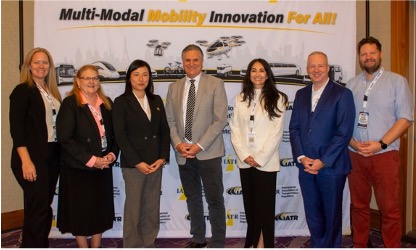
From left: Kristin Marriott, Deputy Chief of Vehicle for Hire Public Safety, The City of Calgary, Alberta, Canada, Jill Plaza, Taxi and Contracted Transportation Services Administrator, SunLine Transit Agency, Shao (Pat) Tsen, Interim Chief Deputy, and Deputy Executive Director for Consumer Policy, Transportation, and Enforcement, California Public Utilities Commission (CPUC), Vaughn Hartung, Chairman, the Nevada Transportation Authority, Maria Irshad, Deputy Director, Administration and Regulatory Affairs Department, The City of Houston, Texas (ParkHouston), Hon. Jeff Roth, former NYC Deputy Mayor for Operations, and Josh Lynch, Deputy Director, Administration & Regulatory Affairs Department, Portland Bureau of Transportation.
Plenary Session 4: Modernizing Accessible Transportation Services & Regulation! – Public Transit Partnerships, Technology & NEMT Developments
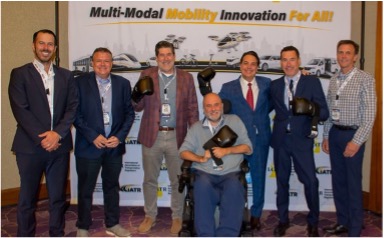
From left: Chris Margaronis, Head of Partnerships, Uber Transit, John Rinaldi, CEO, NEMT Solutions, Jeff Maltz, Co-founder and CEO, Silver Ride, Alex Elegudin, Co-founder and Board Member, Wheeling Forward, Matthew W. Daus, IATR President, Jason Mischel, Former Commissioner and General Counsel of the NYC Mayor’s Office for People With Disabilities, Founder, JRM Legal Research, and Sean Bouffiou, For-hire and Shared Transportation Program Manager, King County.
A plenary moderated by Wheeling Forward’s Alex Elegudin examined partnerships among public transit, taxis, transportation network companies, paratransit and non-emergency medical transportation (NEMT). Representatives from Uber Transit, SilverRide, King County, NEMT Solutions and accessibility-focused legal practice discussed how technology and coordination can expand rider choice without weakening safeguards. Panelists emphasized that accessibility involves more than wheelchair-accessible vehicles. Some passengers need boarding assistance, familiar drivers, support related to cognitive disabilities or reliable communication about individual needs. Services must therefore be matched to the passenger and the trip, with clear explanations of what each option provides. Examples included subsidized rides that complement transit, coordinated dispatch to make existing accessible vehicles easier to locate, and funding mechanisms that help sustain specialized service. The rural NEMT perspective highlighted long travel distances, limited provider availability and the importance of continuity between passengers and drivers. Trip verification, electronic records and transparent billing were discussed as tools for accountability.
The session also considered how IATR’s accessible transportation model regulations should evolve to reflect app-based services, automation and changing business models. Participants called for consistent training, enforceable standards and stronger coordination with transportation funding and health-service agencies. Expanding service options, they emphasized, should not mean reducing the level of care passengers require.
Plenary Session 5: Technology & Innovation: The Road to Vision Zero!
The Vision Zero plenary examined tools that can improve safety now, rather than waiting for fully autonomous transportation. Moderated by Eric Richardson, the panel featured Verra Mobility, DareeSoft and TrueDNA and connected safer vehicles, road conditions and driver behavior within a broader prevention strategy. Discussion covered real-time maintenance and recall monitoring, connected vehicle records, AI-assisted road inspections and automated traffic enforcement. Speakers described how information gathered through normal fleet operations can help agencies discover hazards and respond sooner. They also questioned reliance on periodic inspections when vehicle conditions can change between scheduled checks. The panel emphasized that technology must lead to action: a hazard report is useful only if it reaches the staff who can address it. Automated enforcement was presented as a way to reduce dangerous behavior, with clear safety objectives, public education and evaluation, not as a revenue strategy. Privacy, data ownership, human review and appropriate limits on access and retention were identified as important safeguards for public trust.
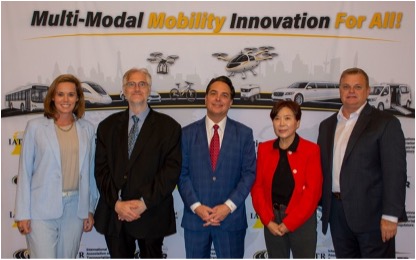
From left: Kate Conway, Vice President, Government Relations, Verra Mobility, Eric Richardson, Strategic Mobility Advisor, Windels Marx / Co-Chair, IATR Safety Committee, Matthew W. Daus, IATR President, Betty Row, CEO and Founder, DareeSoft, and Jim Neumann, CEO and Founder, TrueDNA.
Plenary Session 6: Mobility Association Summit
The Mobility Association Summit brought industry, public-sector and nonprofit organizations into a three-round discussion moderated by Daus. Participants identified overlapping priorities while recognizing differences among transportation sectors and communities. Ground transportation representatives from The Transportation Alliance, National Limousine Association and Black Car Fund focused on rising insurance costs, fair competition, driver protections and unlawful operations. They urged stronger coordination among regulators, airports and law enforcement, better consumer information and recognition of legitimate operators’ investments in safety and training. Taxi partnerships with ride-hailing platforms illustrated opportunities for cooperation alongside continuing policy disagreements.
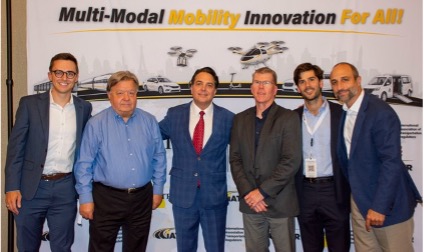
From left: Jim Broderick, Director of Policy and Government Affairs, ITS America; Jim Peters, President, Responsible Hospitality Institute; Matthew W. Daus, IATR President; Paul Steier, Vice President of Law Enforcement Program and Services, AAMVA; Daniel Eppstein, Head of Partnerships, CoMotion; and Josh Schank, Executive Director, ACES Mobility Coalition.
ITS America, the Automated Connected Electric Shared Mobility Coalition and CoMotion explored public-private and academic collaboration. Their presentations connected autonomous mobility with transit funding, digital infrastructure, workforce planning and the challenge of moving pilot projects into sustainable services. Speakers encouraged agencies to begin with a clearly defined transportation problem rather than a preferred technology. The Responsible Hospitality Institute highlighted nighttime transportation, including safe travel for hospitality workers and visitors when transit service is limited. The American Association of Motor Vehicle Administrators addressed digital credentials, fraud prevention, autonomous oversight and first-responder guidance. Across the summit, sharing research, training and practical experience emerged as ways to strengthen regulation without requiring every jurisdiction to solve the same problems independently.
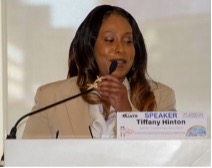
Tiffany Hinton, National Limousine Association (NLA).
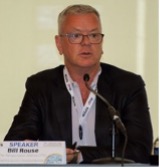
Bill Rouse, The Transportation Alliance (TTA)
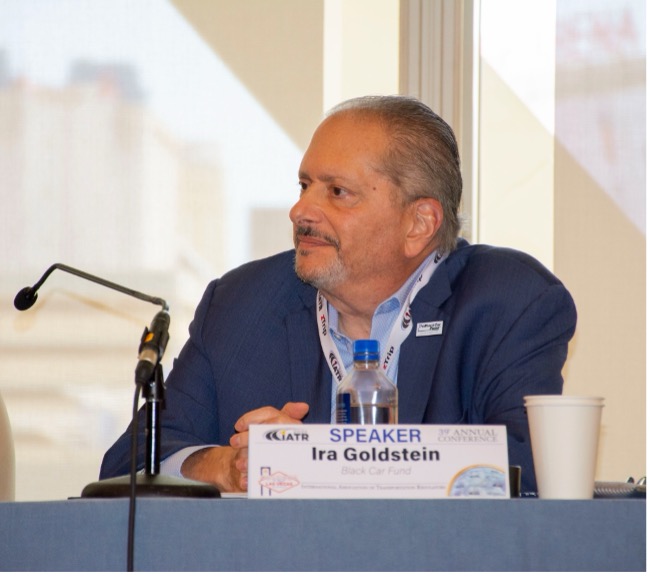
Ira Goldstein, Black Car Fund.
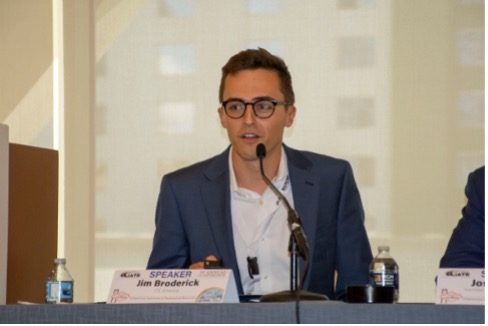
Jim Broderick, ITS America.
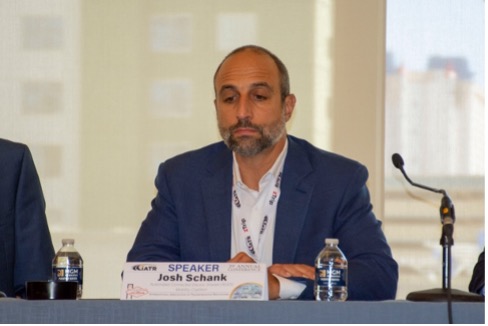
Joshua Schank, Automated Connected Electric Shared (ACES) Mobility Coalition.
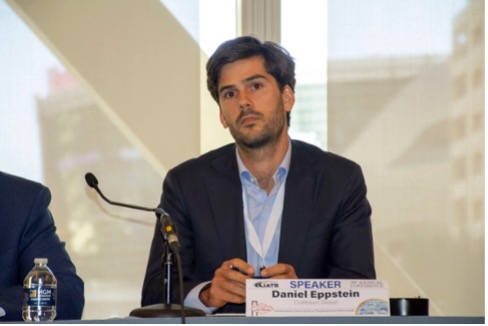
Daniel Eppstein, CoMotion Global.
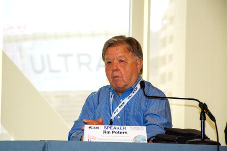
Jim Peters, Responsible Hospitality Institute (RHI).
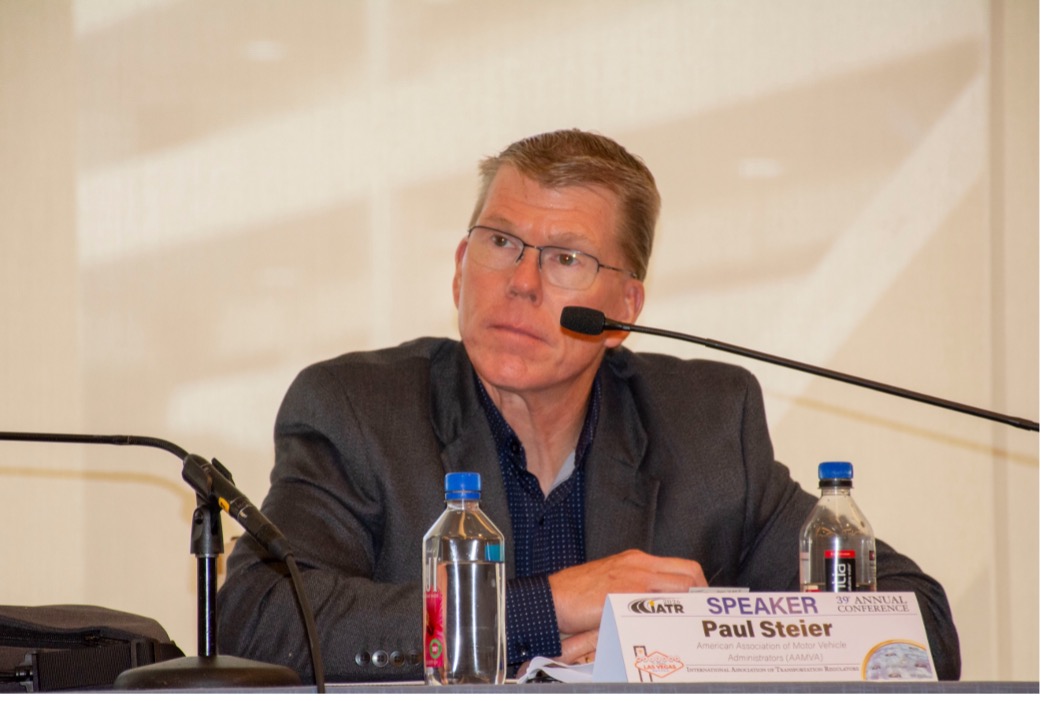
Paul Steier, American Association of Motor Vehicle Administrators (AAMVA).
Plenary Session 7: Regulator Star Trek – Round 2: TNG – “The Next Generation”– Multi-Modal Integration, Coordination& Innovation
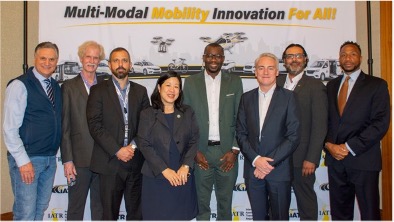
From Left: Vaughn Hartung, Chairman, Nevada Transportation Authority, David Douglas, Surface Transportation Security Inspector, Transportation Security Administration (TSA), USDHS, Abdul Rafih, Coordinator for Parking, Safety and Compliance, The City of Calgary, Canada, Tilly Chang, Executive Director, San Francisco County Transit Authority (SFCTA), Adama Sarr, Mayor, Keur Massar Nord, Senegal, Russell Vickers, Co-founder and CEO, Future Mobility Campus, Ireland, Leonardo Fewell, For-Hire Vehicle Administrator, San Diego Metropolitan Transit System (MTS), and Arif Welcher, Assistant Director, Port Authority of New York & New Jerse
The second round of “Regulator Star Trek” plenary broadened the discussion to transportation systems, infrastructure and international cooperation. Moderated by San Diego Metropolitan Transit System’s Leonardo Fewell, it featured perspectives from San Francisco, Calgary, Ireland, Senegal, the Port Authority of New York and New Jersey, and the Transportation Security Administration. San Francisco’s experience highlighted emergency protocols, operational reporting, transparency and a meaningful role for local government in autonomous deployment. Ireland’s presentation connected automation with rural mobility gaps, cross-border regulatory differences and the need to complement existing transit and taxis. Calgary emphasized curb space as essential infrastructure shared by deliveries, transit, taxis, bicycles and emergency vehicles. The Port Authority discussed controlled-environment autonomous shuttle pilots, sustainability and operational resilience, noting that automation alone does not make transportation sustainable. Keur Massar Nord Mayor Adama Sarr emphasized preparation, coordinated public and private services, and international partnerships to support transportation modernization in Senegal. TSA outlined security assessments, exercises and training available to transportation organizations. The exchange reinforced IATR’s “Multi-Modal Mobility for All” mission. Effective innovation depends on governance, usable data, trained personnel and security preparedness, as well as vehicles and software. Participants stressed that lessons must be adapted to local geography, infrastructure and community needs.
IATR Awards: Recognizing Service and Leadership
The conference’s awards recognized public agencies, individual regulators, professional drivers and volunteers whose contributions advance transportation safety and service. The CPUC received the 2026 Regulator of the Year Award, accepted by Terra Curtis, Director of its Consumer Protection & Enforcement Division. The recognition highlighted the commission’s work on transportation safety, accessibility, sustainable mobility and autonomous passenger service. Its Access for All program and ongoing oversight of emerging transportation services illustrated the breadth of responsibilities facing modern regulators.
Ryan Sharp, Hoboken’s Director of Transportation and Parking, received the Norma Reyes Scholarship, which enables regulators new to IATR to participate in the annual conference. His recognition reflected leadership in street safety, shared mobility and transportation management. Nevada Transportation Authority Chairman Vaughn Hartung and Nevada Taxicab Authority Deputy Administrator Curtis Mell received Public Service Awards for their support of the conference and their contribution to bringing regulators and industry together in Las Vegas. The Driver of the Year Award honored zTrip’s Mehdi Jahanbin for professionalism, compassion and community service. zTrip CEO Bill George accepted on his behalf. Jahanbin’s volunteer work preparing and distributing meals to people experiencing homelessness underscored the human contribution that professional drivers make beyond the trip itself.
Sasha Ozeran and Nadia Aslam received Volunteer of the Year Awards for their work supporting IATR’s programs, partnerships, membership engagement and international outreach. Their recognition celebrated the organizational teamwork that sustains the association’s global regulatory community.
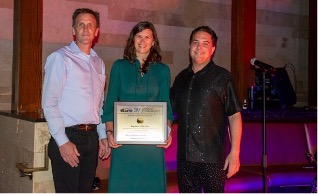
From left, Sean Bouffiou, King County’s For-Hire and Shared Transportation Services Manager and IATR’s 2025 Regulator of the Year, joins Terra Curtis, Director of the CPUC’s Consumer Protection & Enforcement Division, and Matthew W. Daus, IATR President, in presenting the 2026 Regulator of the Year Award to the California Public Utilities Commission.
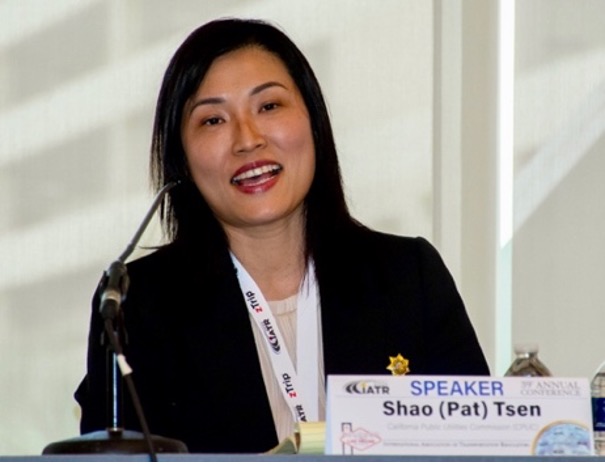
S. Pat Tsen, CPUC Chief Deputy Executive Director for Safety and Consumer Protection, discussed autonomous passenger transportation regulation
From left: Ryan Sharp, Director of Transportation and Parking for the City of Hoboken and Matthew W. Daus, IATR President.
From left: Radhika Kunnel, Commissioner, Nevada Transportation Authority; Curtis Mell, Deputy Administrator, Nevada Taxicab Authority; Matthew W. Daus, IATR President; Vaughn Hartung, Chairman, Nevada Transportation Authority; Yoneet Wilburn, Attorney, Nevada Taxicab Authority; and Todd Park, Administrator, Nevada Taxicab Authority.
From left: Curtis Mell, Deputy Administrator, Nevada Taxicab Authority; Matthew W. Daus, IATR President; and Vaughn Hartung, Chairman, Nevada Transportation Authority.
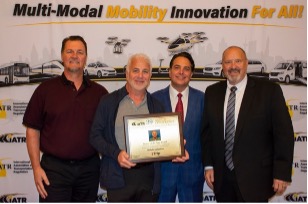
From left: Curtis Mell, Deputy Administrator, Nevada Taxicab Authority; Bill George, CEO, zTrip; Matthew W. Daus, IATR President; and Todd Park, Administrator, Nevada Taxicab Authority. George accepted the Driver of the Year Award on behalf of Mehdi Jahanbin
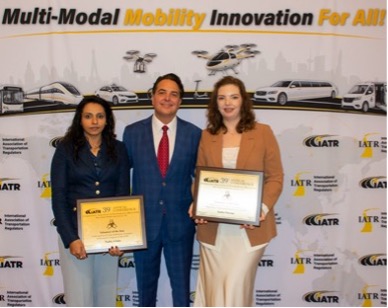
From left: Nadia Aslam, IATR Volunteer; Matthew W. Daus, IATR President; and Sasha Ozeran, IATR Volunteer. Aslam and Ozeran received the 2026 Volunteer of the Year Awards.
Celebration and Appreciation
The conference concluded with a gala reception at Hakkasan at MGM Grand, bringing attendees together for networking, music and celebration. The “Rocking Regulators,” led by Daus on guitar, with Jason Mischel on bass and Majesty Band singer Chondell Le Land, added a personal dimension to the gathering’s professional exchanges. IATR thanked its sponsors: Windels Marx; CUNY–University Transportation Research Center; Flywheel; Uber; Zoox; Agape Transportation; Autocab; Bright Inspect; Carey International; Carmel; Corporate Transportation Group; Curb Mobility; DareeSoft; DoorDash; GNET; GreenCab; iCabbi; Motional; National Limousine Association; NEMT Solutions; SilverRide; True DNA; Verra Mobility; Via; Waymo; and zTrip. The association also recognized volunteers Sasha Ozeran, Nadia Aslam and Nathaniel Sokolovsky; photographer and videographer Andriy Blagay; conference planner Bianca Blag; and planning team members Jairina Capellan and Alivia Smallegange. Their support helped connect the conference’s policy program with the relationships and exchanges that make international collaboration possible.
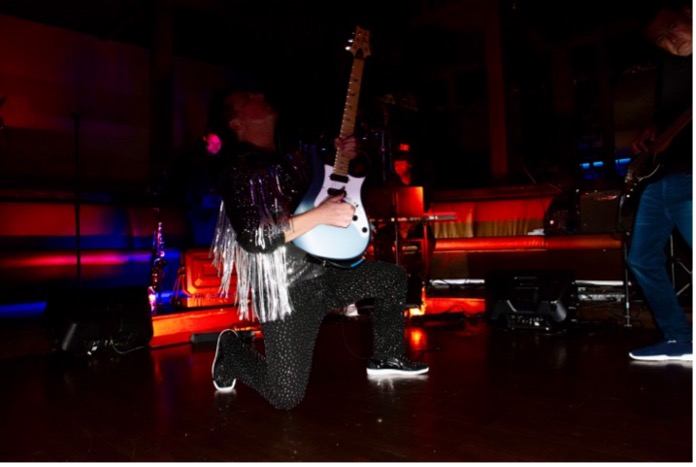
The “Rocking Regulators” perform at the closing gala reception at Hakkasan at MGM Grand
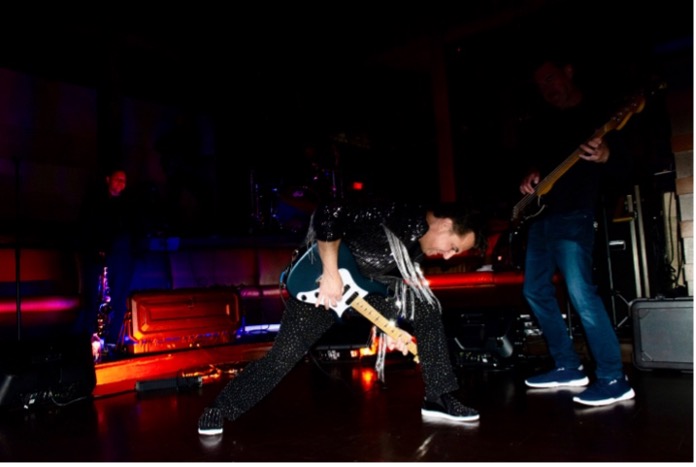
Music and celebration brought the IATR community together at the closing reception.
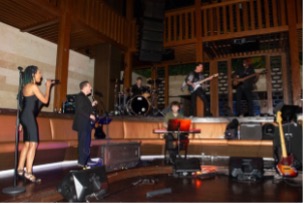
The closing reception featured live music and opportunities to connect with conference colleagues
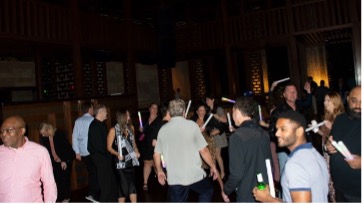
Conference attendees gather for the gala reception at Hakkasan at MGM Grand.
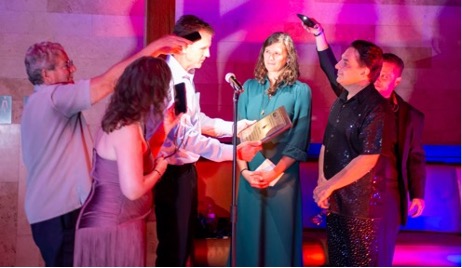
The gala evening also included recognition of the CPUC as IATR’s 2026 Regulator of the Year.
Next Stop: Houston 2027
IATR’s 40th Annual Conference will take place in Houston, Texas, in fall 2027, with dates and venue details to be announced. The milestone gathering will build on Las Vegas discussions about autonomous vehicles, accessibility, workforce impacts, insurance and coordinated mobility governance. Houston’s combination of autonomous activity, transit services, airports and complex transportation infrastructure offers a setting for examining how emerging mobility works at scale. Its geography and severe-weather risks also make resilience, emergency coordination and local operational knowledge important considerations.
The conference will be welcomed by Houston officials Tina Parez, Maria Irshad and Billy Rudolph. As IATR prepares to mark four decades of regulatory collaboration, the next gathering will continue its focus on practical policy development and regulator-to-regulator learning. Program information and announcements will be available at www. iatr.global.
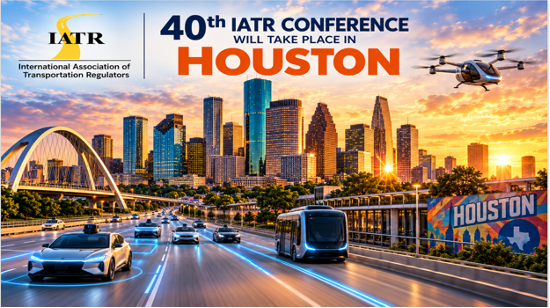
IATR’s 40th Annual Conference will take place in Houston, Texas, in fall 2027; dates and venue details will be announced.
Professor Matthew W. Daus, Esq. is President, International Association of Transportation Regulators (http://iatr.global/); Transporta-tion Technology Chair, City University of New York, Transportation Research Center at The City College of New York (http://www.utrc2. org/); and Partner and Chairman, Windels Marx Transportation Practice Group (http:// windelsmarx.com). He can be reached at mdaus@windelsmarx.com or 212.237.1106.


